A Contextual Expansion
Suzhou Enterprise R&D Center
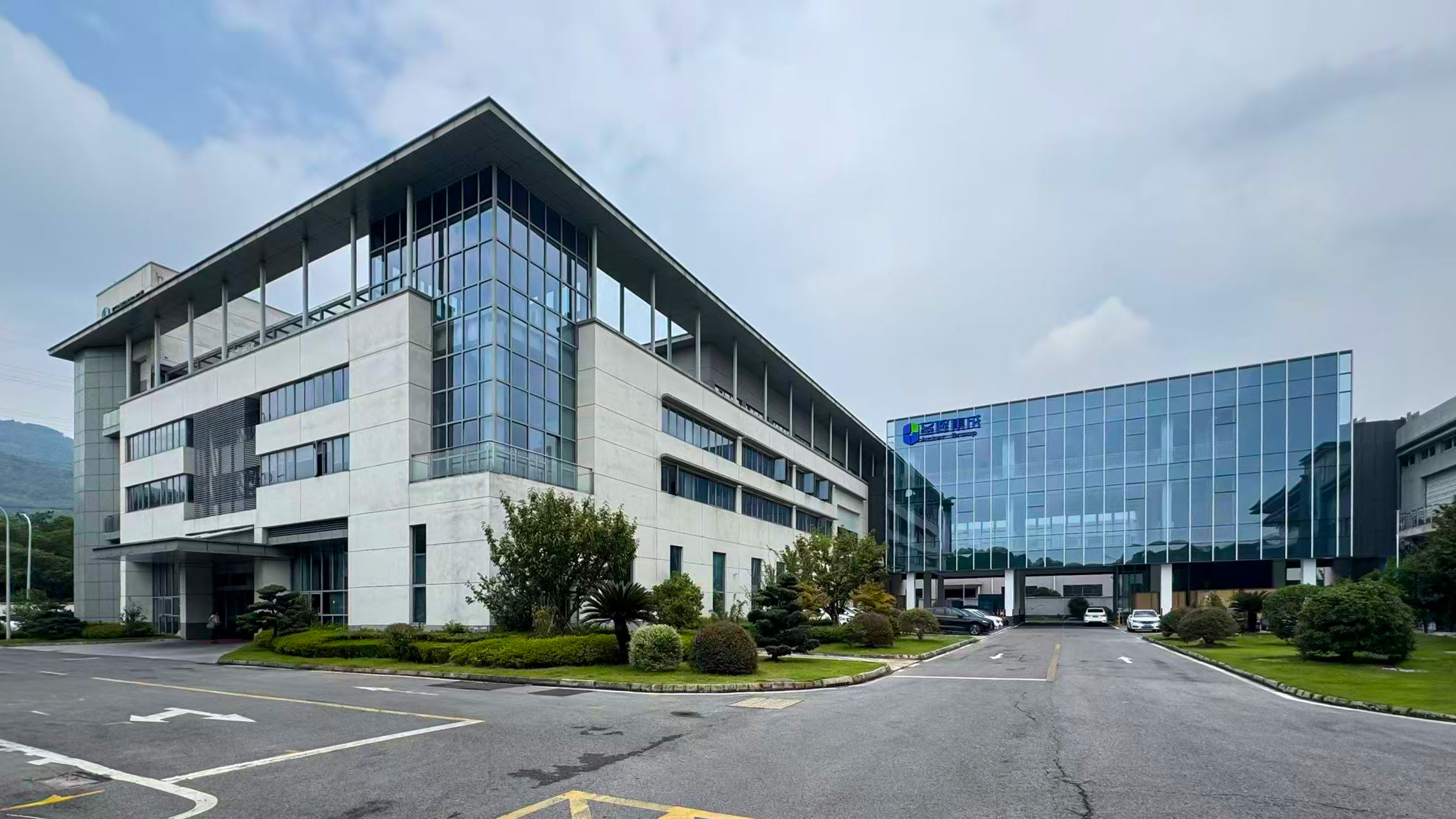
The Suzhou Enterprise R&D Center represents a strategic architectural intervention within an established corporate campus. Following the realization of the campus’s first two phases, the available site density had reached a critical threshold. Driven by the client’s expanding research and development imperatives, the brief called for a new 1,800-square-meter facility carefully situated within the constrained interstitial space between existing structures. The overarching design objective was to negotiate this insertion with minimal disruption to the contextual fabric, while establishing a forward-looking visual identity synonymous with a modern, high-tech enterprise.
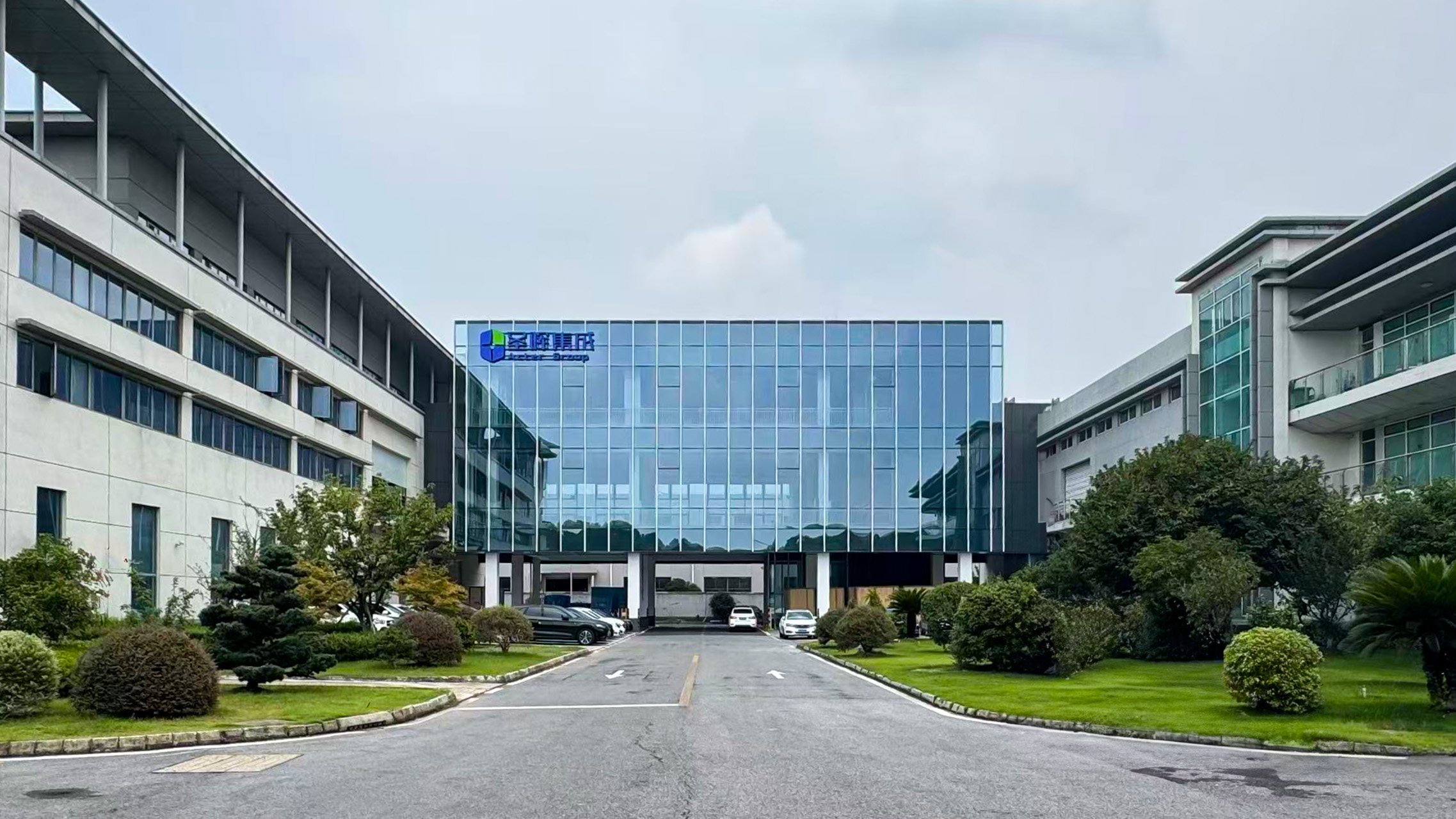
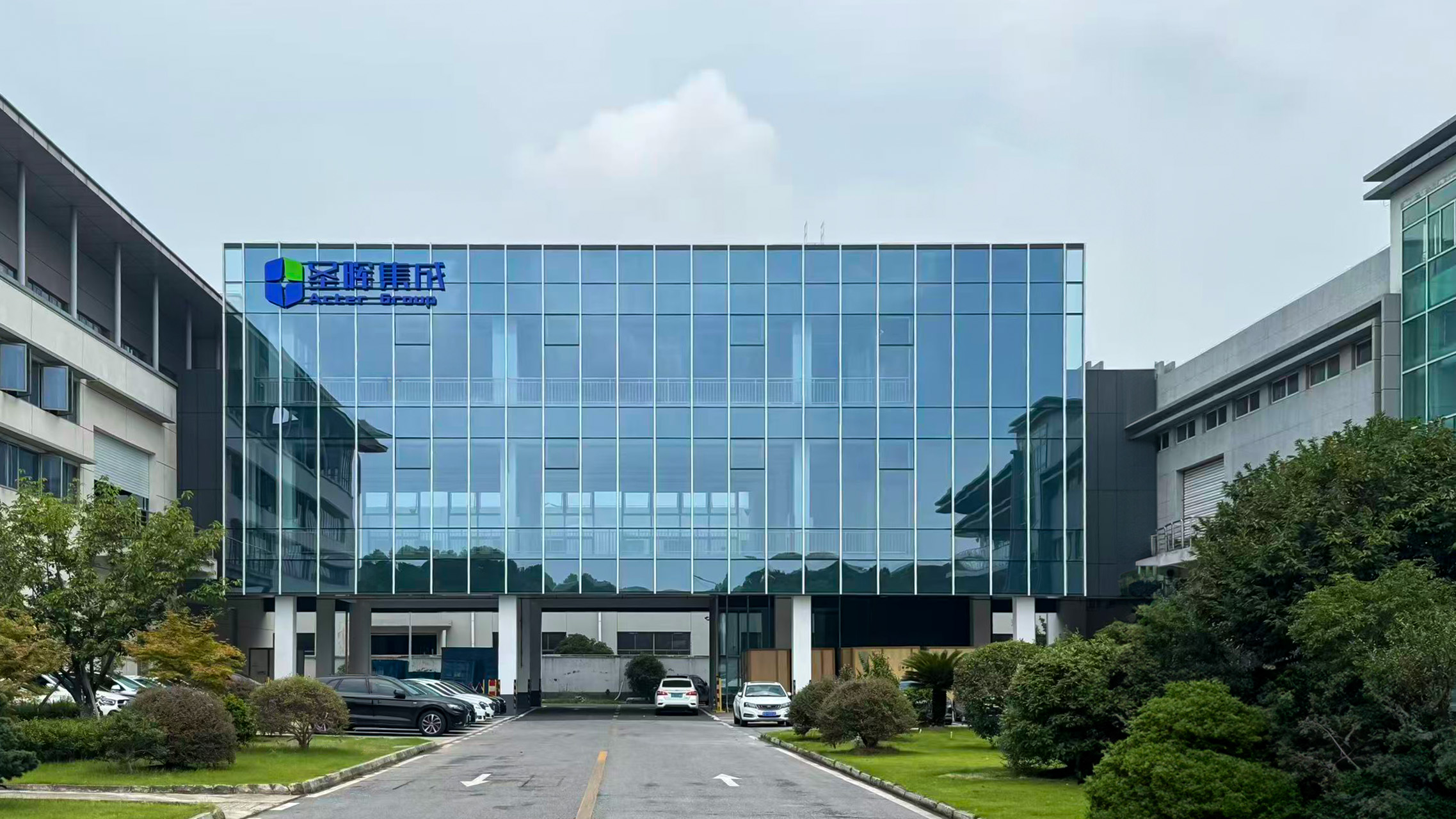
Operating within a compact footprint of approximately 700 square meters, preserving the campus’s inherent spatial fluidity became the primary driver. The design lifts the primary massing, liberating the ground plane to function as a highly permeable breezeway. This gesture ensures that the campus’s existing pedestrian circulation network remains entirely unobstructed. Consequently, the primary R&D programs are elevated to the second and third levels, with internal circulation seamlessly bridging into the Phase Two building. This programmatic layout allows the new volume to perform as a natural, integrated extension of the adjacent facilities, dissolving the boundaries between existing and newly introduced workspaces.
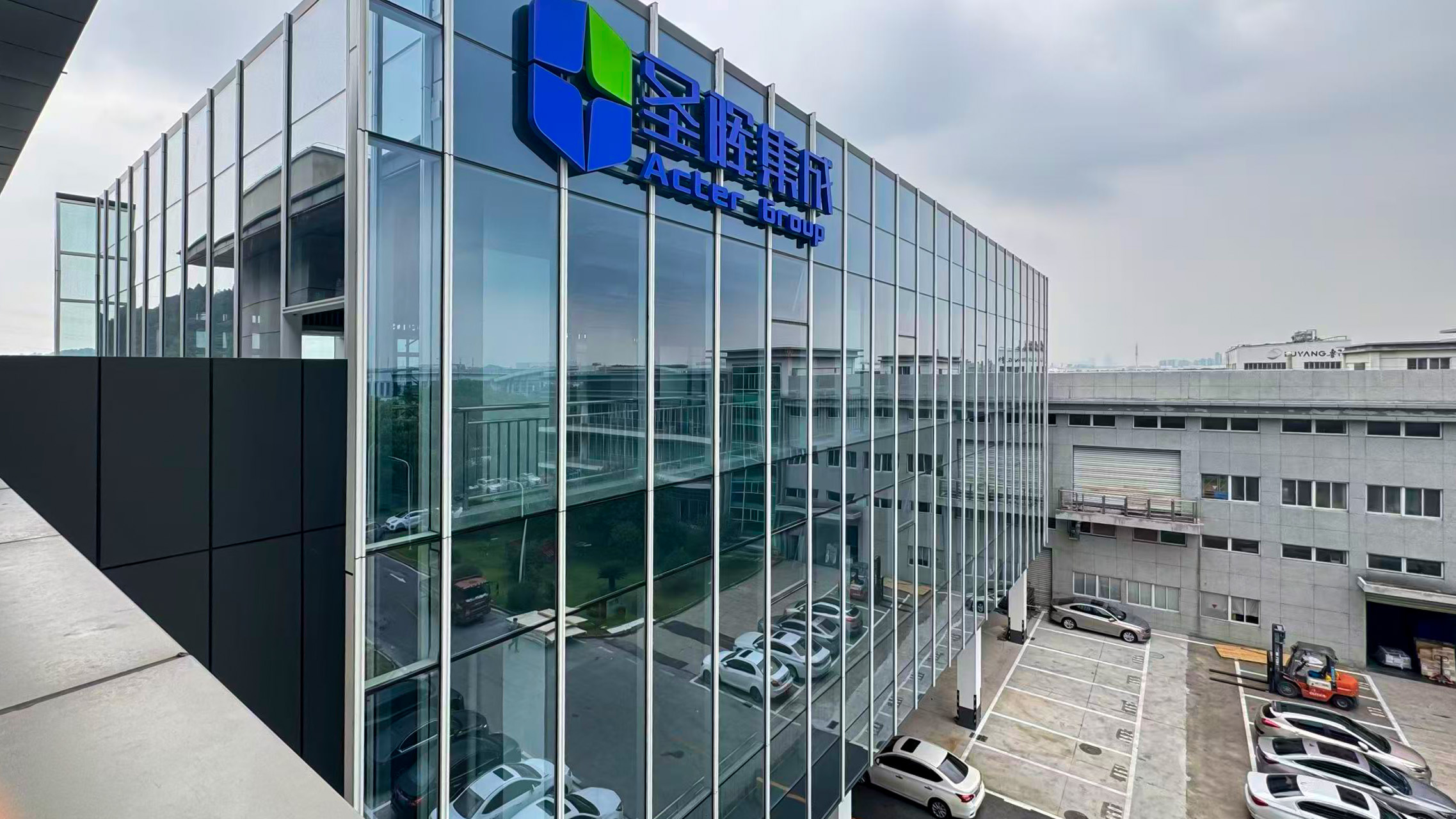
Formally, the architecture is articulated as a pure, rectilinear glass volume. The envelope is defined by a high-performance glass curtain wall system, selected not only to express a sleek, technological sensibility but to actively engage in environmental reflection. These expansive glazed surfaces mirror the surrounding landscape and adjacent structures, allowing the new massing to dematerialize into its context through a dynamic interplay of light and shadow. This strategic deployment of transparency mitigates the visual density typically associated with infill development, ensuring the campus retains its sense of openness and porosity.
To further alleviate the visual weight of the massing, the facade features highly calibrated, layered detailing. At the flanking junctions where the intervention meets the existing structures, dark metal paneling is introduced as a tectonic transition, cleanly articulating the physical interface between the two temporal phases of construction. Concurrently, projecting architectural fins are deployed along the perimeters of the primary elevations. The verticality and rhythm of these extruded elements introduce a refined scale to the facade, attenuating the bulk of the volume and imbuing the structure with a distinct sense of lightness and contemporary elegance.
Initiated in late 2022 and successfully realized in May 2025, the project is the result of rigorous coordination with local planning authorities and specialized facade consultants to achieve an uncompromising level of detailing. The completed R&D Center now anchors the campus’s public-facing identity. Its transparent, weightless posture carefully recalibrates the site’s density, engaging in a nuanced dialogue with its surroundings. Ultimately, the architecture fulfills the client’s complex expansion requirements while instilling the campus with a luminous, understated atmosphere of technological innovation.
data
- WIP
- industrial
- 2022.10-current
- 1800 m2
credit
media & press